A Quiet Social Revolution Is Unfolding
On a Saturday evening in a café in Pune, ten people sit around a table. They don’t know each other’s surnames, jobs, or social status. There is no pressure to impress. No LinkedIn pitches. No wedding agenda. Just conversations—about childhood fears, favourite street food, heartbreaks, ambitions, and the simple joy of being heard.
Scenes like this are no longer rare.
Across Indian cities and even tier-two towns, stranger meetups—carefully curated gatherings where participants meet people they’ve never encountered before—are gaining remarkable traction. What once felt risky or awkward is now seen as refreshing, even necessary.
This isn’t a fad. It’s a response to something deeper unfolding within Indian society.
From Joint Families to Solo Apartments
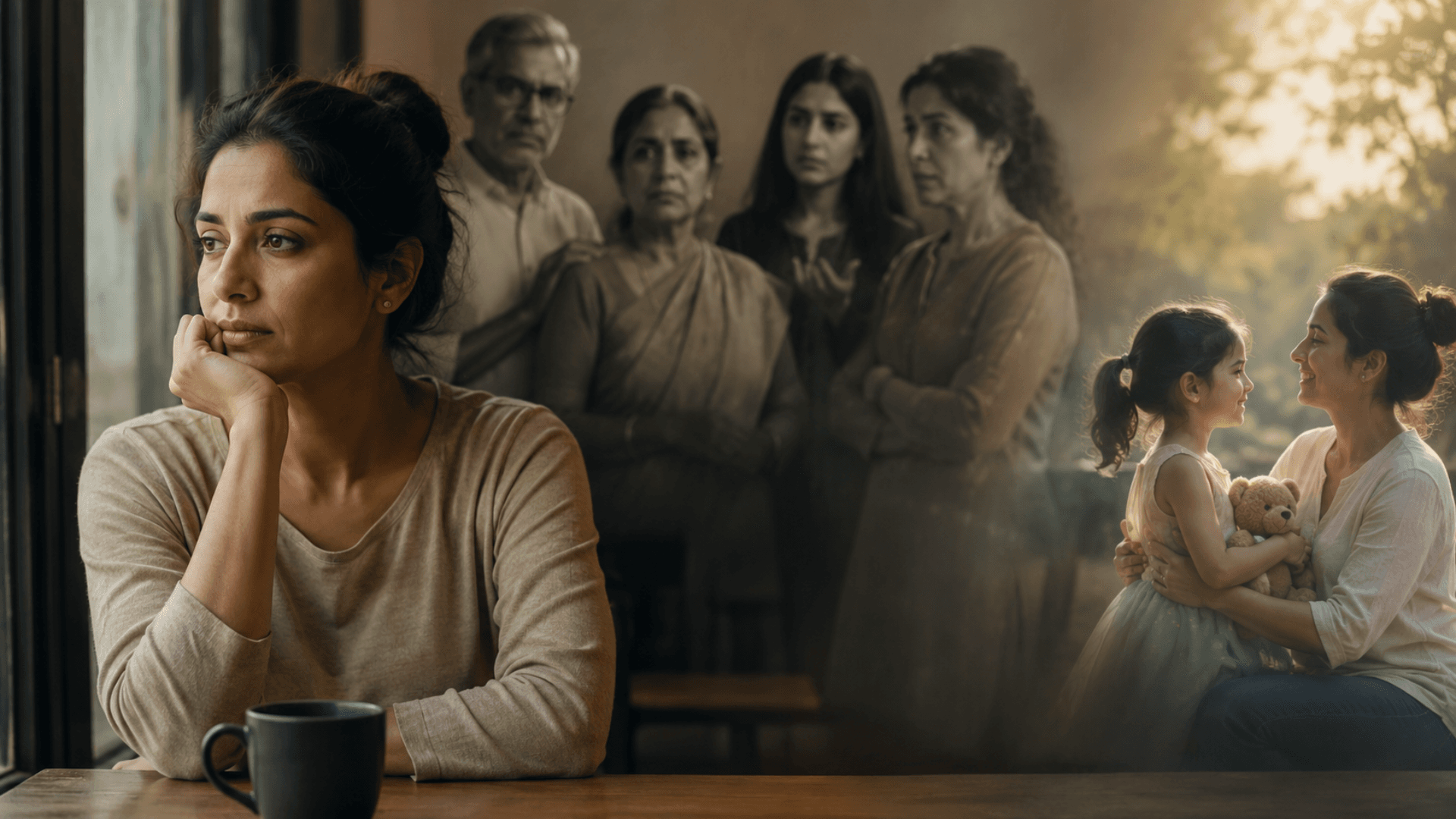
India has always been social. Loud, layered, collective. Yet, paradoxically, modern India is lonelier than ever.
The shift from joint families to nuclear homes, from hometowns to metros, from neighbourhoods to gated apartments has changed how people form bonds. Migration for education and work has left millions living far from familiar faces.
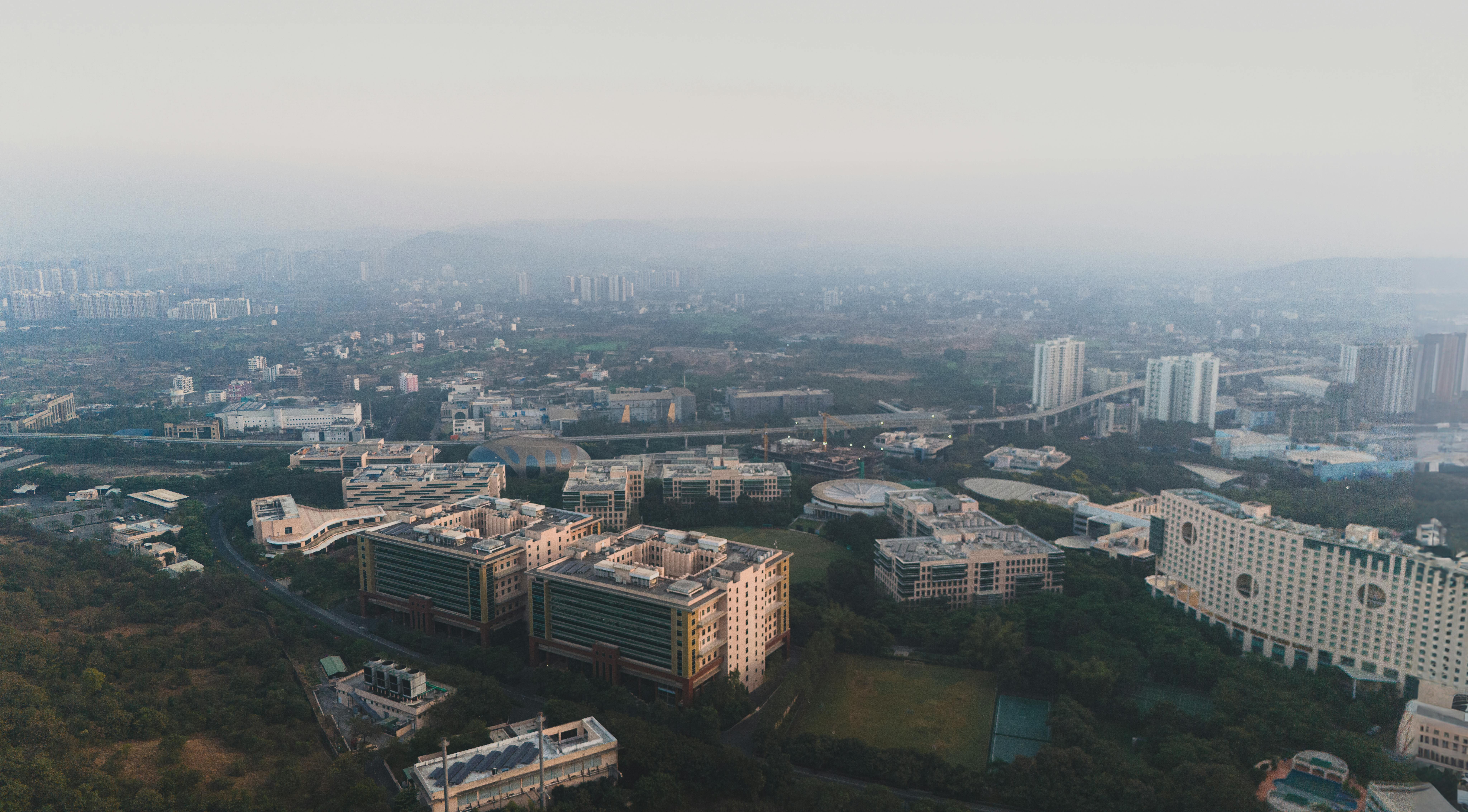
In cities like Pune and Bangalore, it’s common to know dozens of colleagues and barely one neighbour.
Stranger meetups fill this void—not by replacing family or old friendships, but by offering low-pressure human connection in an otherwise fragmented urban life.
The Paradox of Hyper-Connectivity
India is one of the most digitally connected countries in the world. Social media, dating apps, and messaging platforms dominate daily life. Yet many Indians report feeling emotionally disconnected.
Online interactions often prioritise performance over presence:
- Curated lives instead of honest ones
- Metrics over meaning
- Swipes over stories
Stranger meetups invert this dynamic. Phones are often discouraged. Conversations are intentional. People show up not to impress, but to experience real-time human interaction.
For many, it’s the first time in years they’ve had a conversation without multitasking.
Safety, Structure, and the New Comfort with Strangers
Historically, Indian culture taught caution around strangers—especially for women. So what changed?
The answer lies in structure and trust-building.
Modern stranger meetups are:
- Hosted in public, neutral venues
- Moderated or facilitated
- Clear about intent (friendship, conversation, community—not dating by default)
- Often ticketed, ensuring accountability
This framework creates psychological safety. Participants aren’t “meeting random people”—they’re joining a shared experience with boundaries.
Women-only meetups, interest-based circles, and small-group formats have further normalised participation across genders and age groups.
A Generation That Wants Depth, Not Just Networks
India’s millennials and Gen Z are rethinking success and relationships. Beyond career growth, they are actively seeking:
- Emotional intelligence
- Mental well-being
- Belonging without obligation
Unlike older social models based on family, caste, or profession, stranger meetups are identity-neutral. You don’t arrive as someone’s cousin, colleague, or “plus one.” You arrive simply as yourself.
This neutrality is powerful. It allows people to experiment with vulnerability, storytelling, and authenticity—often leading to surprisingly meaningful bonds.
Dating Fatigue and the Rise of Platonic Intimacy
Dating apps promised connection but delivered burnout. Endless chatting, ghosting, and algorithmic matching have left many Indians exhausted.
Stranger meetups offer an alternative:
- No forced romance
- No profile photos
- No pressure to impress
Ironically, removing romance often creates deeper emotional intimacy. Many attendees aren’t looking for partners—they’re looking for people.
Friendship-first environments are becoming especially popular among:
- Recently relocated professionals
- Single adults in their late 20s and 30s
- People healing from breakups or burnout
Cultural Shifts: Talking Is the New Therapy
Conversations that were once taboo—mental health, loneliness, failure, self-doubt—are now being spoken aloud.
Stranger meetups function as informal emotional spaces. Not therapy, but collective listening.
In a society where family conversations can be loaded with expectations and advice, strangers offer something rare: non-judgemental presence.
You can share without worrying how it will travel through relatives, colleagues, or WhatsApp groups.
The Role of Cities and Third Spaces
India’s metros are uniquely suited to this trend. Cafés, co-working spaces, bookstores, art studios, and parks have become third spaces—neither home nor work.
Cities like Pune and Bangalore are witnessing a surge in micro-communities formed around conversation, not consumption.
Unlike clubs or parties, stranger meetups prioritise presence over performance. They attract people who want to slow down in fast cities.
Beyond Metro Cities: A Quiet Spread
What’s most fascinating is that this trend isn’t limited to Tier 1 cities.
Smaller cities and towns—Jaipur, Kochi, Indore, Coimbatore—are seeing similar formats emerge. The reasons differ slightly:
- Fewer non-family social options
- Strong curiosity about diverse perspectives
- Growing youth populations
Here, stranger meetups often feel even more radical—and more impactful.
Stories That Explain the Shift Better Than Statistics
A 32-year-old consultant attends her first stranger meetup after moving cities post-pandemic. She doesn’t make a best friend that night. But she laughs freely, listens deeply, and leaves feeling lighter.
A recently retired banker joins out of curiosity. He ends up rediscovering the joy of conversation outside professional hierarchies.
A student finds confidence speaking to people twice his age.
These aren’t viral stories. They don’t trend. But they quietly change how people experience themselves.
Why This Moment Matters for India
India is at an inflection point:
- Urbanisation is accelerating
- Traditional community structures are weakening
- Mental health awareness is rising
Stranger meetups sit at the intersection of all three. They aren’t replacing old systems—they’re compensating for what’s missing.
They reflect a society learning that connection doesn’t have to be inherited or transactional. It can be chosen.
The Future: From Novelty to Necessity
What started as curiosity is becoming ritual. Monthly meetups. Weekly circles. Repeat faces turning into familiar ones.
As India continues to modernise, stranger meetups may well become:
- Social anchors for urban residents
- Emotional safety nets for migrants
- New-age community institutions
Not loud. Not flashy. But deeply human.
Final Thoughts: Meeting Strangers Is About Meeting Yourself
At its core, the popularity of stranger meetups in India isn’t about strangers at all.
It’s about:
- Being seen without labels
- Speaking without scripts
- Belonging without obligations
In a world obsessed with networking, stranger meetups remind us of something simpler: conversation is connection, and connection is survival.
If you’ve ever felt surrounded yet alone, busy yet disconnected, curious yet cautious—this might be your invitation.
Join the Conversation
Real connection begins with showing up.
Explore upcoming stranger meetups, conversation circles, and community events near you. Step into a room where no one knows your past—and everyone is open to your story.
👉 Join our upcoming events: Stranger Mingle Events
References
- Urban loneliness and migration trends in India
- Cultural studies on post-pandemic social behaviour
- Observations from community-led social initiatives across Indian cities