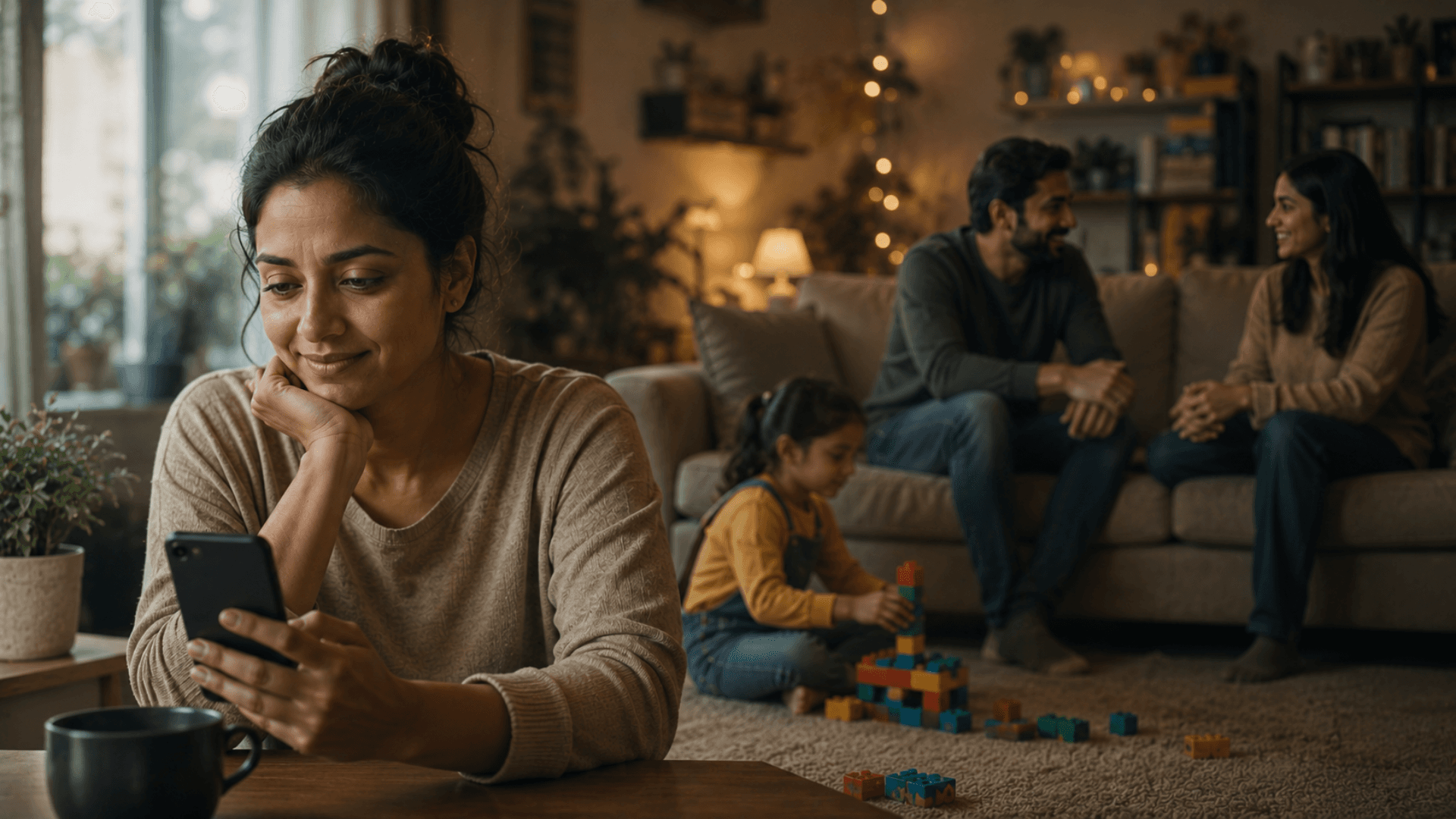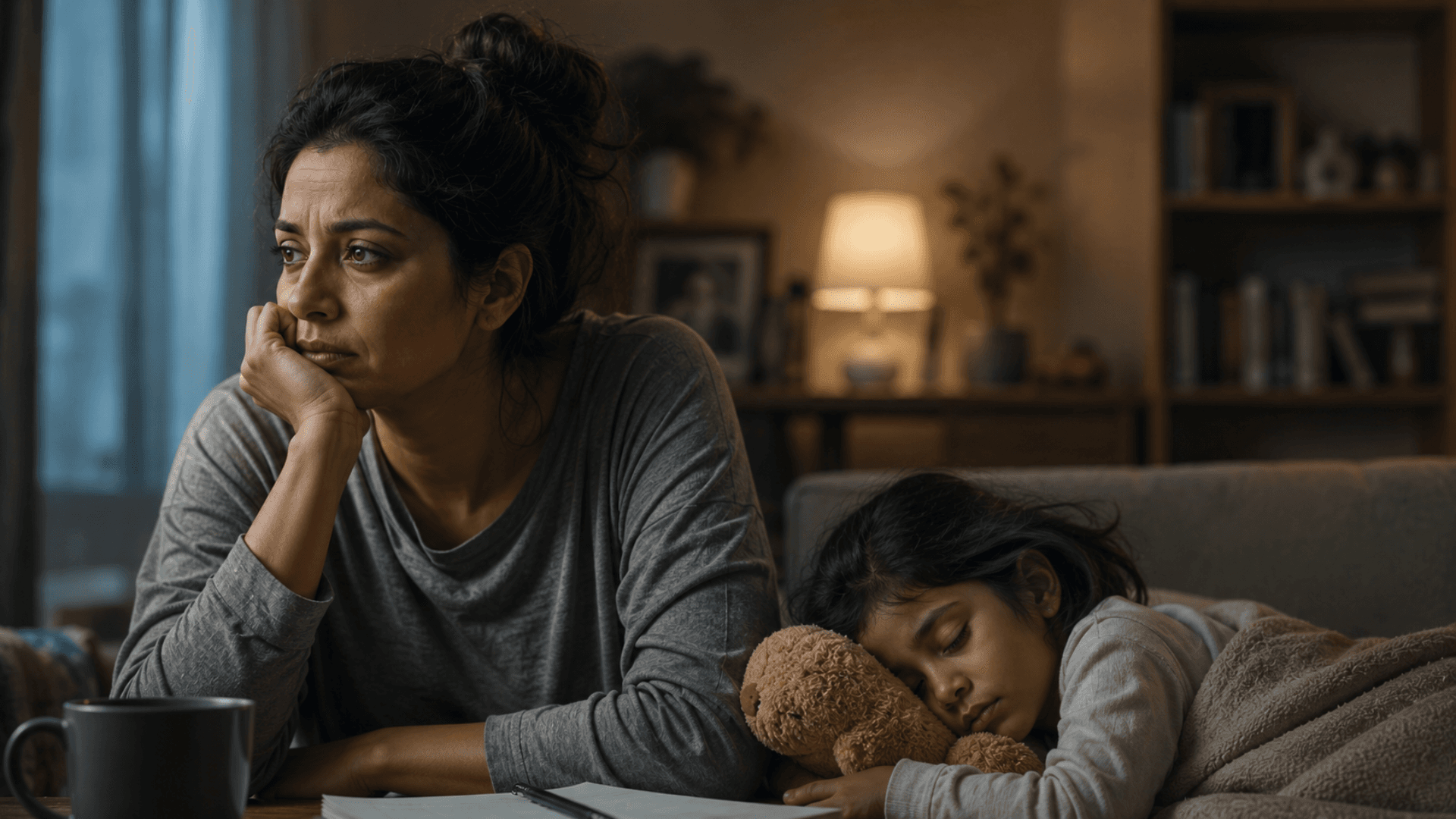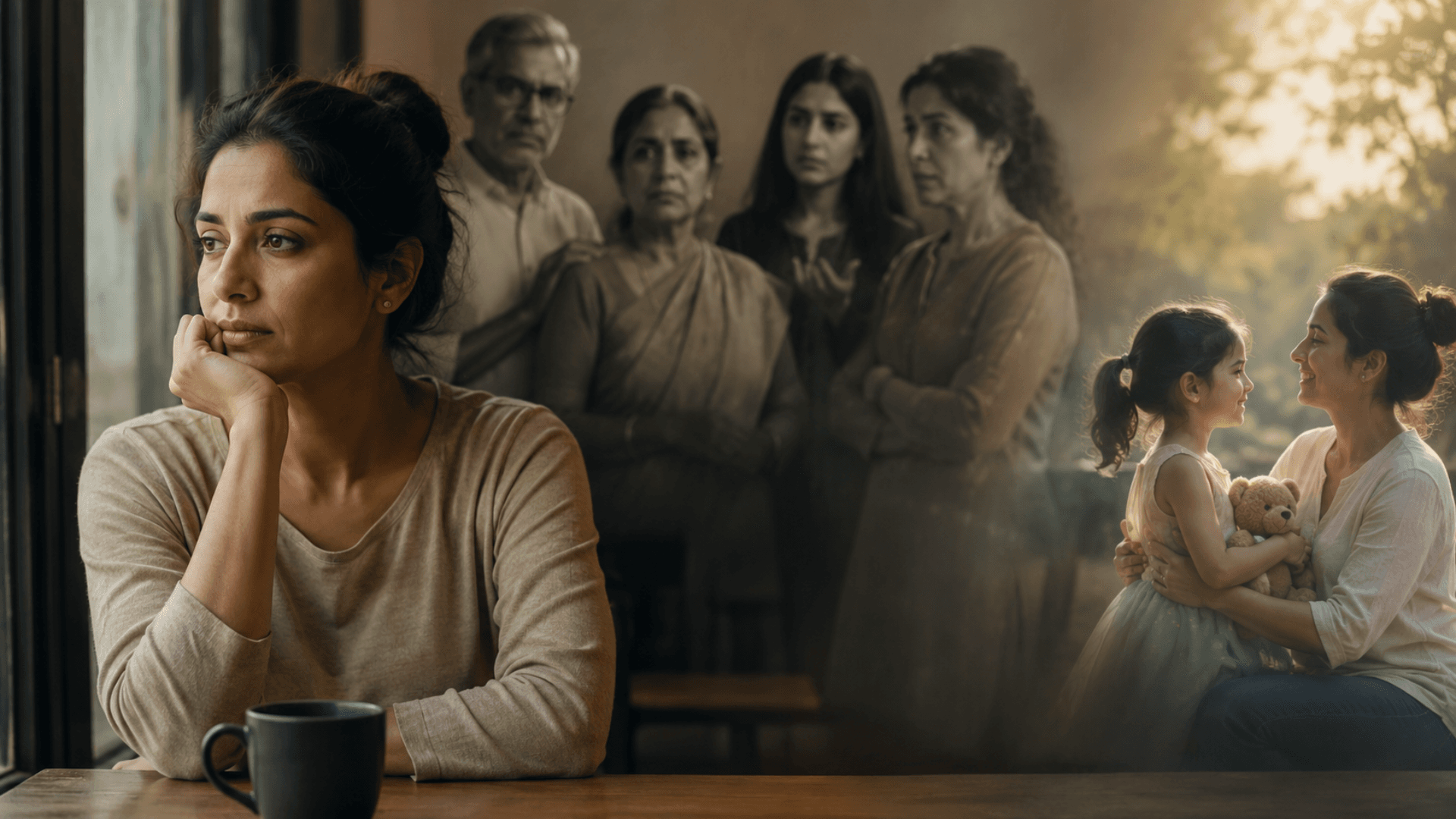
Swipe right. Match. Chat. Meet. Fall in love.
That's how the story is supposed to go, isn't it?
Online dating apps like Tinder, Bumble, Hinge, and OkCupid entered India with massive promise—freedom from arranged marriages, escape from judgemental relatives, and the chance to find love on your own terms. For countless girls in Bengaluru, Mumbai, Delhi NCR, Pune, and Hyderabad, these apps felt like rebellion wrapped in possibility.
But here's what nobody wants to admit: for many Indian women, online dating has become less about connection and more about survival.
The dangers aren't always obvious. They don't announce themselves. They creep in through charm, through persistence, through carefully crafted profiles that hide troubling intentions. And by the time you realise something's wrong, it's often too late.
This isn't fearmongering. This is a safety conversation that Indian women have been having privately for years—in hostel rooms, over chai, in supportive group chats. It's time we said it publicly.
The Dating App Fantasy vs Ground Reality for Indian Women
Dating apps sold us a dream. Choose who you talk to. Meet on your terms. Stay safe behind a screen until you're ready.
The reality? Very different.
What starts as exciting possibility often transforms into exhausting vigilance. Every profile becomes a puzzle to solve—is this person real? Are they being honest? Will they respect my boundaries? Am I safe?
For girls in India, where personal safety is already a daily calculation, dating apps add another layer of risk. And unlike street harassment that you can see coming, digital dangers wear masks of normalcy.
They smile. They compliment. They seem perfect. Until they're not.
Fake Profiles and Catfishing: The Gateway to Bigger Dangers
Walk into any conversation about dating app safety, and fake profiles will come up within minutes. It's the most common complaint, yet apps seem almost indifferent to solving it.
Stolen photographs from Instagram. Fake names lifted from LinkedIn. Jobs that don't exist. Relationship statuses that are outright lies.
One girl from Pune matched with a "software engineer at Google" who turned out to be unemployed and living with his parents. Annoying? Sure. But harmless? Not when he started showing up at her office uninvited.
Another woman in Mumbai went on three dates with a "divorced" man before discovering he was very much married with two children. His wife found her number and the harassment that followed lasted months.
Here's the uncomfortable part: these aren't isolated incidents. They're patterns.
Fake profiles aren't just about inflated egos or mild deception. They're often the first step in manipulation, catfishing scams, blackmail schemes, or worse. For Indian women, where family reputation and social standing matter immensely, being compromised by someone using a fake identity can have devastating consequences.
And the apps? They barely verify anything beyond a selfie and phone number. Anyone can create multiple accounts. Anyone can lie about everything. There's no real accountability.
Emotional Manipulation: The Silent Abuse Nobody Talks About
This is where things get truly messy.
Many girls describe an eerily similar experience. It starts intense—he messages constantly, showers you with attention, shares deeply personal stories, makes you feel special, understood, different from "other girls."
Within a week, you're emotionally invested. He talks about future plans. Drops hints about exclusivity. Acts like he's falling hard and fast.
Then the shift happens.
Boundaries get pushed. "If you really liked me, you'd..." becomes a recurring theme. Your discomfort gets reframed as overthinking. Your hesitation becomes a trust issue. Suddenly, you're the one apologising for having standards.
This is called love bombing followed by gaslighting, and dating apps are perfect breeding grounds for it.
Why? Because emotional manipulators thrive in spaces with no accountability. Once things turn sour, they unmatch, block, vanish into thin air. No consequences. No closure for you. Just confusion and self-doubt.
For Indian women especially—raised on ideas of adjustment, understanding, not being "too demanding"—this manipulation hits harder. We're socially conditioned to question our own reactions, to give second chances, to not "create drama."
Manipulators know this. And they use it.
The Myth of App Safety Features
Let's talk about what dating apps actually protect.
Encrypted chats? Yes. Privacy of messages? Sure. Profile verification badges? Sometimes.
But what about real-world safety? What happens after you agree to meet? What protection exists when he won't accept no for an answer?
Absolutely nothing.
The moment you move from app to reality, you're on your own. And that's where most dangers actually surface.
Girls report being pressured to meet at isolated locations. Being followed home after dates. Receiving threatening messages when they reject someone. Finding their photos shared without consent in group chats or uploaded to inappropriate websites.
When they report these incidents, the response is typically slow, automated, and unhelpful. "We'll look into it" translates to "This is now your problem to manage."
The harsh truth: Dating apps facilitate connections but refuse to own the consequences of those connections. They've built profitable businesses on human loneliness while outsourcing safety entirely to women.
That's not protection. That's abandonment.
The "Cool Girl" Trap: Agreeing When You Want to Say No
There's massive unspoken pressure on dating apps to be a certain type of girl—easygoing, spontaneous, open-minded, not "too serious."
Want to meet at 11 PM? Don't be uptight. Uncomfortable with going to his place on the first date? Don't be paranoid. Need time to build trust? Don't be difficult.
The worst part? Girls internalise this pressure. They override their instincts to appear modern, mature, chill. Safety gets sacrificed at the altar of seeming desirable.
One Bengaluru woman shared how she agreed to a late-night drive despite feeling uncomfortable because she didn't want to seem "boring." She spent the entire time terrified, texting her location to friends, planning escape routes in her head.
She went home safe that time. But the psychological cost—the anxiety, the self-recrimination, the realisation of what could have happened—stayed with her for months.
This isn't about being judgmental of choices women make. It's about recognising the coercive environment that makes them feel like saying no isn't an option.
Harassment: Normalised, Reported, Ignored
Ask any woman who's been on dating apps for more than a week, and she'll have stories.
Unsolicited explicit photos within the first five messages. Sexual comments before even asking your name. Messages that go from "Hi beautiful" to "Why are you ignoring me, bitch?" in under an hour.
It's so common that women develop entire strategies to deal with it—screenshots, blocks, reports, warnings to friends. It becomes routine. Expected. Part of the experience.
But here's what shouldn't be normalised: the emotional toll this takes.
Constant harassment changes how you see yourself, how you approach relationships, how you trust your judgment. It creates a baseline of disrespect that seeps into everything.
And the apps? They offer report buttons that rarely result in meaningful action. The same men create new profiles. The harassment continues. The burden of filtering, blocking, protecting falls entirely on women.
What begins as looking for love slowly transforms into managing a never-ending stream of disrespect.
When Rejection Becomes Stalking
This is where things turn genuinely scary.
Dating app rejection can escalate into stalking with terrifying speed. A polite "I don't think we're a match" can trigger repeated calls, abuse-filled messages, fake profiles to bypass blocks, tracking through mutual friends, showing up at workplaces.
Because dating apps encourage quick sharing of Instagram handles, phone numbers, and personal details, women unknowingly hand over access to their entire digital lives. And there's no taking it back.
A Delhi-based marketing professional matched with someone who seemed normal initially. After two dates, she wasn't feeling it and said so. What followed was months of harassment—he found her office address, sent messages to her family members, created multiple fake profiles to monitor her activity, and even tried to damage her professional reputation by sending false complaints to her company.
She had to change her number, make her social media private, and constantly look over her shoulder. All because she rejected someone she met on a dating app.
In Indian cities, where residential security varies wildly and police response to "online matters" is still evolving, stalking isn't just emotionally traumatic—it's a legitimate physical threat.
Casual Intimacy Without Emotional Responsibility
Let's be clear: there's nothing wrong with consensual casual dating or hookups. What consenting adults choose to do is their business.
But here's the problem—apps rarely address what happens emotionally after casual encounters, especially for women.
Many girls describe a pattern: intense chemistry, quick physical intimacy, then immediate ghosting. What felt mutual suddenly feels used. The emotional fallout—shame, confusion, self-doubt—is real, even if society dismisses it as "what did you expect?"
In Indian culture, where women still face disproportionate judgment for sexual choices, this emotional cost hits harder. The same behaviour that makes a man "experienced" makes a woman "cheap" in many social circles.
Dating apps profit from facilitating these connections but offer zero support for the aftermath. No conversations about consent beyond the legal minimum. No acknowledgment of emotional vulnerability. No framework for respectful disengagement.
You're just expected to be fine with it. And if you're not? Well, maybe online dating isn't for you.
Your Data, Your Vulnerability: The Privacy Problem
Dating apps know more about you than your closest friends.
They track your location constantly. They know your behavioural patterns, your preferences, your insecurities, your vulnerabilities. They know when you're lonely, what time you're most active, what kind of people you're attracted to.
In India, where data protection laws are still catching up with technology, this is genuinely concerning.
Data breaches happen. Information leaks. Internal misuse occurs. And for women, leaked data can mean targeted harassment, blackmail, reputation damage, and safety risks.
Your loneliness, your hope, your search for connection—none of this should be a product sold to the highest bidder.
So Why Do Girls Keep Using Dating Apps?
If it's this bad, why don't women just delete the apps and walk away?
Because loneliness is real.
Because modern urban life is isolating—you work long hours, live far from family, and traditional social structures don't exist anymore.
Because arranged marriage setups feel suffocating and judgmental.
Because you're tired of being told you're "too picky" or "getting too old."
Because hope is powerful, and maybe the next match will be different.
Girls aren't naive. They're hopeful. And hope deserves systems that protect it, not exploit it.
A Better Way: Real-Life Social Connections
Here's what's interesting—when people meet in real, moderated, social environments, behaviour changes dramatically.
There's accountability. There's visibility. Conversations feel genuine because body language and energy can't be faked. Safety improves simply because you're not alone with a stranger in an unpredictable situation.
Interest-based meetups, community gatherings, curated social events, hobby groups—these create natural opportunities for connection without the pressure, deception, and danger that come with apps.
For women especially, this shift is liberating. You can assess comfort in real-time. You can leave whenever you want. You're surrounded by other people. There's no pressure to perform or impress. Just humans meeting humans.
Rewriting How Indian Women Find Connection
Indian women don't need another app claiming to have solved the safety problem. They need fundamental respect for their autonomy, comfort, and dignity.
Love shouldn't feel like risk management. Dating shouldn't require military-grade security planning.
There's an old saying that feels relevant here: "Dil toh sabko chahiye, par bharosa sabko naseeb nahi hota." (Everyone wants love, but trust isn't everyone's fate.)
It's time we build systems and spaces worthy of that trust.
Final Thoughts: Choose Presence Over Profiles
Online dating apps aren't inherently evil. But for girls in India, they currently operate without adequate empathy, accountability, or safety mechanisms.
Until apps treat women's safety as a core feature—not an afterthought or legal disclaimer—the risks will remain.
Connection is deeply human. Chemistry is real. But safety is non-negotiable.
If you're exhausted by swiping, tired of filtering, ready for genuine interactions with built-in respect and safety, consider exploring real-world social experiences designed with intention and care.
Join Safer, Real-World Connections
Discover curated social events and meet like-minded people in comfortable, respectful settings where safety isn't an afterthought—it's the foundation.
👉 Explore Stranger Mingle Events