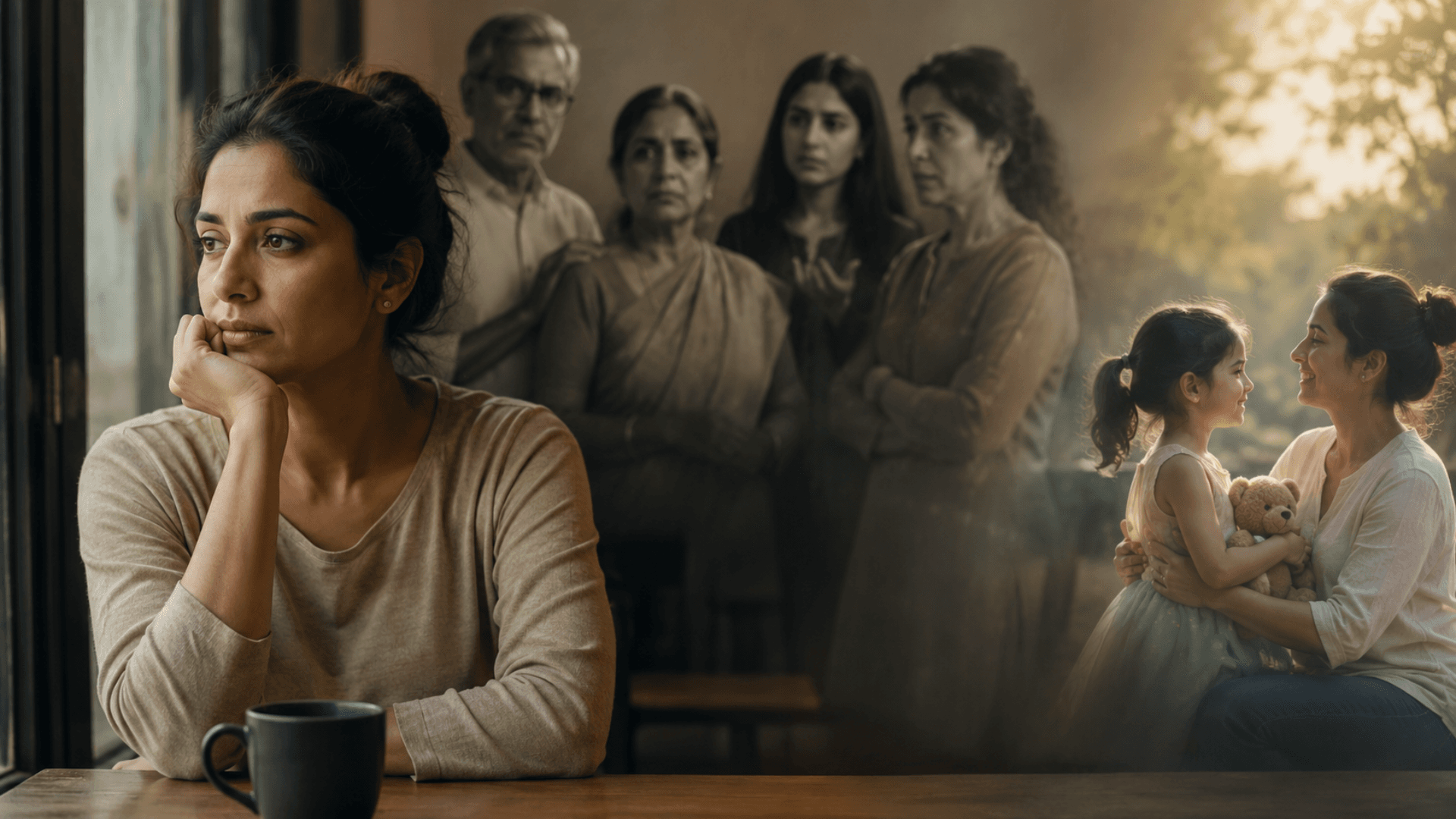
The notification pings at 8 PM on a Friday evening.
Your college group chat—the one with seventeen people who haven't met in three years—is planning another "reunion" that will inevitably get postponed. Your work colleagues are discussing weekend plans you're not part of. Your Instagram feed shows friends from Mumbai, Bengaluru, Delhi living seemingly perfect social lives.
And you? You're sitting in your Viman Nagar flat, having moved to Pune eight months ago for that dream job, realising that professional success means absolutely nothing when you have nobody to celebrate it with.
The city outside your window hums with life. Cafes in Koregaon Park are filled with groups of friends laughing over coffee. Couples stroll through the lanes of Kalyani Nagar. Somewhere near FC Road, a house party is in full swing—but you weren't invited because you don't know anyone well enough to get invited.
Welcome to the paradox of urban life in 2026: hyper-connected yet profoundly alone.
Here's what nobody prepared you for—making friends as an adult in a new city is brutally, exhaustingly difficult. The natural friend-making environments of school and college simply don't exist anymore. Your office has colleagues, not friends. Your apartment building has neighbours who nod politely in the elevator and nothing more. Your gym has people with headphones on, deliberately avoiding eye contact.
So you download Bumble BFF, feeling slightly desperate. You join Facebook groups for "Pune New Residents" and scroll through posts that somehow make you feel more isolated. You consider going to a bar alone but the thought paralyses you with anxiety.
The loneliness becomes a background hum you learn to live with. Some weekends you convince yourself you prefer solitude. Other weekends you cry because humans aren't designed for this level of isolation.
But here's the thing that changes everything: you're not failing at something others have mastered. You're experiencing what thousands of people in Pune are experiencing simultaneously. The difference is, some of them have found a solution.
Stranger meetup events—specifically, Stranger Mingle.
The Architecture of Adult Loneliness in Pune
Before we talk about solutions, let's properly understand the problem. Because adult loneliness in Pune—and cities like it—isn't random. It's structural, predictable, and getting worse.
The Geography of Isolation
Pune sprawls. You might work in Hinjewadi, live in Kharadi, and have all your favourite restaurants in Koregaon Park. Your commute is an hour each way. By the time you get home, you've spent eleven hours outside—commuting, working, eating lunch at your desk, sitting in traffic.
The energy required to then get ready again, travel another thirty minutes to meet someone, and be "on" socially? On a Tuesday evening after a difficult day? It feels impossible.
So you don't. You order in, watch something on Netflix, scroll mindlessly through your phone, promise yourself you'll be more social "next weekend."
Next weekend comes. You're too tired. Or it's raining. Or you've convinced yourself you need to catch up on errands. The cycle continues.
Geography becomes destiny. The physical distance between where you live, work, and socialize fragments your social life before it even begins.
The Timing Trap
Your work schedule is 10 AM to 7 PM, sometimes later. By the time you're free, most structured activities have ended or are about to. Weekend mornings you're recovering from the week. Weekend evenings feel like you should be doing something but you don't know what.
Traditional friendship relied on natural, repeated exposure. You saw the same people at the same places regularly—school, college, neighbourhood, community gatherings. Friendships formed gradually through accumulated small interactions.
Modern adult life in Pune has destroyed this rhythm. You're never in the same place at the same time as the same people consistently enough for friendships to form organically.
Even when you do meet someone interesting—say, someone you chat with at a café or at a work conference—the logistics of meeting again feel insurmountable. "Let's catch up sometime!" turns into weeks of failed scheduling attempts that eventually peter out into nothing.
The Energy Economics of Social Life
Here's what nobody talks about: being social when you're already exhausted is genuinely hard work.
You come home drained from navigating office politics, meeting deadlines, managing difficult clients, sitting in back-to-back meetings where you had to be "on." The idea of then putting on a good outfit, commuting somewhere, making small talk with strangers, being interesting and interested—it requires energy you simply don't have.
So you choose the path of least resistance: staying home, ordering comfort food, doing something that requires zero emotional labour.
This isn't laziness. This is a rational response to chronic depletion. But the cost is steep—your social life withers while you're too tired to maintain it.
The Vulnerability Problem
Making friends as an adult requires something terrifying: initiating contact with strangers and risking rejection.
In school, friendship happened automatically. Someone sat next to you, you shared lunch, friendship formed. No vulnerability required. No explicit "will you be my friend?" conversation needed.
As an adult? You have to consciously decide to approach someone, express interest in getting to know them, suggest meeting up, handle the possibility they'll say no or ghost you.
For many people—especially those who are naturally introverted or have experienced social rejection before—this vulnerability feels unbearable. So they don't even try.
The irony is devastating: the city is full of people who desperately want friends but are too afraid of seeming desperate to actually pursue friendship.
The Digital Mirage
Social media creates a particularly cruel illusion.
You see curated snippets of other people's social lives—the birthday parties, the group trips, the Sunday brunches, the inside jokes. You assume everyone else has figured out the social puzzle you're failing at.
What you don't see: the same people posting those photos often feel just as lonely between those moments. The birthday party had eight people because that's how many friends they managed to gather. The group trip took three months of coordination and almost fell apart twice. The Sunday brunch was the first social outing in two weeks.
Everyone's faking it more than you realize. Everyone's lonelier than their Instagram suggests.
But because you only see the highlights, you internalize the narrative that you're uniquely failing at something others are succeeding at. This makes you less likely to reach out, more likely to withdraw, more convinced that something's wrong with you specifically.
The Safety Paradox for Women
For women in Pune, the friendship problem comes with an additional layer: safety concerns.
Meeting strangers from the internet feels risky. Going to events alone feels vulnerable. Accepting invitations from casual acquaintances feels potentially dangerous. Even when opportunities for friendship arise, the mental calculation of "is this safe?" kills many of them.
Traditional wisdom says "just put yourself out there" but doesn't acknowledge that "out there" is genuinely riskier for women. The fear isn't paranoia—it's pattern recognition based on lived experience.
So women often choose isolation over risk. Better to be lonely than unsafe. Better to have no social life than to navigate the exhausting, constant vigilance required to have one.
This is the ecosystem in which Stranger Mingle exists. Not just as fun activities—but as infrastructure designed to solve these structural problems.
What Makes Pune Perfect for Stranger Meetup Events
Pune has always been different from other metros. There's a warmth here that Mumbai lacks. A pace that Bengaluru forgot. A culture that Delhi doesn't quite have.
The city attracts students, young professionals, creatives, entrepreneurs—people who've left their hometowns behind and are building new lives. Everyone's a bit of an outsider. Everyone's looking for their people.
This creates the perfect environment for stranger meetups to thrive.
Areas like Koregaon Park, Kalyani Nagar, Viman Nagar, Kharadi, Aundh, and Baner have become hubs for social events that go beyond surface-level networking. These aren't your typical "exchange business cards and leave" gatherings. They're designed for actual human connection.
And the best part? Pune's social scene is incredibly welcoming. Unlike Mumbai's cliquish vibe or Delhi's judgmental atmosphere, Pune meetups genuinely embrace newcomers. You can show up alone and leave with actual friends.
What Actually Makes a Stranger Meetup Event Work
Most people have been to at least one terrible meetup event. You know the type:
You walk into a venue. The organizer gives a half-hearted introduction, maybe throws out a "mingle and have fun!" instruction, then disappears. You're left standing awkwardly, scanning the room for someone who looks as uncomfortable as you feel.
Everyone's clustering in pre-formed groups of people who already know each other. New people hover at the edges, clutching drinks, checking their phones every thirty seconds to have something to do with their hands.
The few brave souls who try to break into conversations are met with polite but closed body language. Exchanges are painfully surface-level: "What do you do?" "Where are you from?" "How long have you been in Pune?" Then silence.
You stick it out for forty-five minutes because leaving earlier would feel like admitting defeat. Finally you make some excuse about an early morning and escape, feeling more lonely than before you arrived.
You delete the Meetup app and promise yourself never again.
Here's why that happens: most organizers fundamentally misunderstand how human connection works.
They think bringing people together in a room is sufficient. It's not. You need specific conditions for strangers to become friends:
The Psychology of Structured Serendipity
Good stranger meetups understand that connection needs scaffolding.
Forced proximity isn't enough. Simply being in the same physical space doesn't create friendship. You need mechanisms that give people permission and reason to talk.
Think about where friendships naturally form: workplaces, not because of proximity alone, but because you're collaborating on projects together. Classes, not just because you sit near someone, but because you're discussing ideas together. Sports teams, not just because you show up, but because you're working toward a shared goal.
The best meetup events create these collaboration moments artificially. They structure activities that require interaction—games that need teams, discussions that need multiple perspectives, projects that need cooperation.
Suddenly you're not awkwardly trying to start conversations with strangers. You're naturally collaborating with teammates, debating with discussion partners, working alongside co-creators. Friendship emerges as a byproduct of shared activity.
The Icebreaker Science
There's actual research on what helps strangers connect quickly. Proximity and repeated exposure matter, yes. But so does the depth of initial conversation.
Small talk—weather, jobs, commutes—creates what psychologists call "weak ties." Useful for networking, terrible for friendship. You can small-talk with someone for months and never actually know them.
Good icebreakers push past small talk immediately. Instead of "What do you do for work?" try "What's something you're genuinely excited about right now?" Instead of "Where are you from?" try "What's a belief you used to hold strongly but have completely changed your mind about?"
Quality meetups structure these deeper questions into the initial interactions. They give you permission to skip the surface-level stuff and get to what actually matters: who you are, how you think, what you value, what makes you laugh.
Within twenty minutes of structured deep questions, strangers report feeling closer to each other than acquaintances they've known for months.
The Group Size Sweet Spot
Ever notice how large parties are terrible for making new friends? You can't have meaningful conversation in groups of fifteen. Voices overlap, attention fragments, you can't hear properly, deeper topics feel inappropriate.
Optimal group size for connection is four to six people. Small enough that everyone can contribute. Large enough that silence doesn't feel awkward. Big enough for diverse perspectives but small enough for actual dialogue.
Smart meetup events understand this. Even if thirty people attend, they break into smaller groups for most activities. Then maybe bring everyone together periodically so you meet more people, but keep the core experience in those four-to-six person clusters where real conversation happens.
Stranger Mingle: Pune's Premier Platform for Making Real Friends
Among Pune's sprawling landscape of social events—some excellent, many mediocre, a few genuinely terrible—Stranger Mingle has emerged as the gold standard. Not through marketing, but through something rarer: actually delivering on the promise of helping people make real friends.
Let's examine exactly how Stranger Mingle gets it right.
The Curation Philosophy: Quality Over Quantity
Most meetup platforms operate on a simple model: more people equals more success. Stranger Mingle inverts this logic entirely.
Every person who joins goes through a basic verification process. This isn't gatekeeping for gatekeeping's sake—it's recognizing that community quality depends on member quality.
What gets filtered out:
- People treating it as a dating pool (there are apps for that)
- Those wanting to promote businesses or MLM schemes
- Individuals with patterns of inappropriate behavior
- Anyone not genuinely interested in making platonic friendships
What this creates: a community where everyone attending actually wants to be there for the stated purpose. You're not navigating hidden agendas or deflecting unwanted advances. Everyone's there to make friends. That shared intent changes everything.
The verification isn't invasive—basic LinkedIn/Instagram check, phone verification, sometimes a brief conversation. But it's enough to deter bad actors and ensure people are who they claim to be.
One woman who's been attending for six months shared: "The first Stranger Mingle event I went to, I was shocked by how... normal everyone was. Like, genuinely nice people who were just looking for friends. I'd been to other meetups where I spent half the time deflecting weird comments or avoiding that one guy who clearly had other intentions. Here? Everyone respected boundaries and just wanted to hang out. That difference is everything."
Event Design: Structure Without Rigidity
Stranger Mingle events follow a careful choreography that feels natural rather than forced.
The Welcome (First 15 minutes): You arrive at a cafe in Koregaon Park or a community space in Viman Nagar. An organizer greets you personally—not a distant "sign in on the sheet" but an actual warm welcome. They might introduce you to one or two people who arrived just before you. Already, you're not alone.
The Icebreaker (Next 20 minutes): Instead of the dreaded "everyone introduce yourself to the group," they use smaller activities. Maybe it's pair-and-share where you talk one-on-one for five minutes, then switch partners. Maybe it's a quick game that gets everyone laughing. The goal isn't to know everyone immediately—it's to make the first interaction feel easy.
The Main Activity (60-90 minutes): This varies by event type. Board game nights have you playing in teams of four. Discussion meetups pose thought-provoking questions to small groups. Outdoor events have you hiking while chatting naturally. Creative workshops have you collaborating on projects.
The key: you're always doing something while socializing. The activity provides natural conversation topics and reduces the pressure to be constantly interesting.
The Wind-Down (Final 20-30 minutes): As the structured activity ends, there's informal hanging out. This is when deeper connections solidify. You've now spent two hours together, shared laughs, collaborated on tasks. Exchanging numbers and making plans feels natural rather than forced.
The Follow-Up: This is where most meetup platforms fail and where Stranger Mingle excels. After the event, you're added to a WhatsApp community group. People share photos, inside jokes from the event, and plans for future hangouts.
The organizers post a quick recap and announce the next event. Suddenly it's not "I met some cool people once"—it's "I'm part of a community that meets regularly."
The Safety Infrastructure That Makes Women Feel Welcome
Stranger Mingle's founder had a realization early on: if women don't feel safe, you don't have a community—you have a failed experiment.
Here's their safety approach:
Public Venues Always: Every single event happens in well-lit, well-populated, public spaces. Cafes in busy parts of Koregaon Park. Community centers in residential Viman Nagar. Parks during daylight hours. Restaurants with proper seating areas. Never private locations, never isolated spots, never anyone's home.
Organizers Present Throughout: At least two organizers attend every event from start to finish. They're not just there for setup—they're actively present, observing dynamics, ensuring everyone feels comfortable, ready to intervene if anyone seems uncomfortable.
The Buddy System Option: New attendees, especially women attending alone for the first time, can request to be connected with a veteran community member beforehand. They might meet for coffee before the main event, or the veteran ensures they're welcomed and integrated during the event.
Clear Communication: Before every event, participants receive detailed information: exact location with Google Maps link, what to expect, how long it lasts, who to contact if they can't find the venue, what the vibe will be. No surprises.
The "Leave Anytime" Culture: It's explicitly stated that you can leave whenever you want, no explanations needed. Feel uncomfortable? Just go. Not vibing with the crowd? No problem. This permission paradoxically makes people more likely to stay—knowing you can leave reduces the anxiety that makes you want to leave.
Post-Event Support: If anyone experiences anything uncomfortable during or after an event, there's a direct line to organizers who take concerns seriously. Inappropriate behavior results in immediate removal from the community.
One participant explained the difference this made: "I'd been to meetups before where I felt like I had to constantly guard myself. Watch what I wore, watch how I laughed, watch who I talked to. With Stranger Mingle, I could just... be myself. Focus on conversations instead of safety calculations. That freedom is rare."
Real Stories: When Strangers Become Best Friends
Priya's Story: Moved to Pune from Chennai for a startup job. Knew exactly zero people. Spent three months eating dinner alone, watching Netflix alone, exploring the city alone. Downloaded every friendship app, joined every expat group online, nothing clicked.
Attended her first Stranger Mingle board game night nervous and skeptical. Was paired with three other women for a game of Codenames. The game was chaotic, hilarious, and competitive in the best way. They stayed after for dinner, discovered they all loved Korean dramas, and made plans to watch together.
Eight months later: those three women are her closest friends in Pune. They have a standing Sunday brunch tradition. They've traveled to Goa together. One of them was her emergency contact when she had a health scare. When Priya's parents visited from Chennai, her Stranger Mingle friends threw her a surprise birthday party.
"I'm not exaggerating when I say Stranger Mingle changed my life in Pune," she shared. "I went from dreading weekends to actually having people who care about me here. That's not small."
Arjun's Story: Lived in Pune his entire life but felt increasingly isolated as friends moved abroad or got married and drifted into different life stages. Went to his first Stranger Mingle hiking event expecting nothing.
Ended up in a conversation with someone about philosophy, consciousness, and what makes life meaningful—the kind of deep conversation he hadn't had in years. They talked for three hours while hiking up to Sinhagad Fort.
That one connection led to joining Stranger Mingle's philosophy discussion group. Through that group, he's found an intellectual community that meets monthly to discuss everything from ethics to existentialism. These aren't just casual acquaintances—they're people who challenge his thinking, recommend books, remember details about his life.
"I didn't even know I was intellectually lonely until I found people who wanted to discuss ideas, not just jobs and traffic," he said.
Neha's Story: Extreme introvert. Had convinced herself she didn't need friends, that she was fine with solitude, that she preferred her own company. Went to a Stranger Mingle creative writing workshop reluctantly after a colleague insisted.
Found herself in a small group sharing vulnerability through writing exercises. For the first time in years, she felt seen and understood. Not despite being introverted, but including that aspect of who she is.
Slowly started attending more events—always the quieter ones, always with capped attendance, always with built-in activities so she didn't have to make small talk. Found her people: other introverts who understood that friendship doesn't have to mean constant communication or wild parties.
Now has a small, close-knit group that meets every other week for low-key activities—pottery classes, museum visits, coffee shop writing sessions. The kind of gentle, meaningful friendships that respect her need for space while fulfilling her need for connection.
"Stranger Mingle showed me that being introverted doesn't mean being alone," she explained. "It means finding the right people and the right environments for connection. I didn't need to change who I am. I needed to find people who got me."
Types of Stranger Mingle Events Across Pune
Not all events work for all people. The beauty of Stranger Mingle is the variety of formats. You can find your entry point based on your comfort level and interests.
Social Brunches and Coffee Meetups
What they are: Casual gatherings at cafes and restaurants across Koregaon Park, Kalyani Nagar, or Aundh. Usually weekend mornings or weekday evenings.
Who they work for: People easing into the meetup world. Those who find food-focused gatherings less intimidating. Anyone who wants low-pressure social interaction.
What actually happens: You sit around a large table or cluster of tables. There's usually a loose theme or conversation starter—maybe discussing recent books everyone's read, or sharing travel stories, or talking about career changes.
The food acts as a natural buffer. When conversation lags, you can focus on eating. When you want to contribute, you can. The atmosphere is relaxed rather than intense.
Why it works: Breaking bread together is one of humanity's oldest bonding rituals. There's something about sharing a meal that makes people lower their guards. Also, these events tend to be smaller—usually 8-12 people—which prevents the overwhelming chaos of larger gatherings.
Venue examples: The German Bakery in Koregaon Park for their weekend brunches. Cafe Goodluck near Deccan for authentic Irani chai and bun maska. Vaishali in Deccan for South Indian breakfast. Arthur's Theme in Koregaon Park for a more upscale brunch vibe.
Board Games and Activity Nights
What they are: Structured fun at cafes or community spaces that have gaming collections. Usually evening events, typically 6:30 PM to 9 PM on weekdays, longer slots on weekends.
Who they work for: People who feel awkward with pure conversation but excel when there's structure. Competitive folks who bond through play. Anyone who finds games disarming.
What actually happens: You're divided into small teams or groups. Games range from strategic (Codenames, Settlers of Catan, Ticket to Ride) to silly (Cards Against Humanity, Telestrations, Exploding Kittens). The game provides automatic conversation topics. Laughter happens organically. Trash talk becomes bonding.
Why it works: Games remove the pressure to be constantly interesting. Your attention is on winning, strategizing, or causing chaos—friendship forms in the margins. Also, team-based games force collaboration, which accelerates bonding.
The beautiful pattern: people who are reserved in conversation become playful during games. Laughter breaks down barriers faster than any icebreaker question could. By the time the games end, exchanging numbers feels natural because you've already shared experiences together.
Venue examples: Boardgame Den near FC Road. Various cafes in Viman Nagar with gaming collections. Community spaces in Kharadi that host regular game nights.
Adventure and Outdoor Meetups
What they are: Weekend treks, cycling groups, nature walks, rock climbing sessions, or outdoor sports activities around Pune and nearby areas.
Who they work for: Active people who bond better while moving. Those who find sitting across a table anxiety-inducing. Anyone who wants friendship with fitness built in.
What actually happens: You meet early on a Saturday or Sunday morning. Travel together to locations like Sinhagad Fort, Rajgad Fort, Pashan Lake, Khadakwasla Dam, or Mulshi. The activity becomes the backdrop for natural conversation.
Something about moving side-by-side rather than face-to-face makes conversation flow differently. You share water bottles, help each other up steep sections, take photos together, stop for chai at small dhabas on the way back.
Why it works: Shared physical challenges create bonding through vulnerability. When you're all equally out of breath hiking uphill, pretense falls away. The environment—nature, fresh air, movement—also improves mood and openness.
Activity examples: Early morning treks to Sinhagad Fort (3-4 hours round trip). Cycling groups that do 20-30km routes around Pune. Rock climbing sessions at local climbing gyms followed by brunch. Nature photography walks around Pashan Lake or Empress Garden.
Creative Workshops and Skill-Sharing
What they are: Hands-on learning experiences—pottery, painting, cooking, photography, writing, dance, music. Usually 2-3 hour sessions at dedicated studios or workshop spaces.
Who they work for: Creative souls looking for like-minded people. Those who bond through making things together. Anyone who wants to learn something new while meeting people.
What actually happens: You're learning a skill alongside others. Maybe you're all trying to throw pots on a pottery wheel for the first time and laughing at the misshapen results. Maybe you're painting while discussing life philosophy. Maybe you're cooking together and sharing stories about food memories from childhood.
Why it works: Creating together builds connection through collaboration and shared vulnerability. Everyone's a beginner, which levels the playing field. There's focus on something external (the craft) which paradoxically makes personal conversation easier.
Workshop examples: Pottery classes at studios in Koregaon Park. Weekend painting sessions at creative spaces in Kalyani Nagar. Cooking workshops focusing on regional Indian cuisines. Photography walks around Pune's historic areas with skill-sharing and critique.
Intellectual Discussion Groups
What they are: Structured conversations around books, philosophy, current events, psychology, science, or specific themes. Usually in quiet cafes or library spaces.
Who they work for: People who value depth over breadth. Those who've been intellectually lonely. Anyone tired of surface-level conversations who wants to discuss ideas that matter.
What actually happens: A facilitator poses questions or themes. The group—usually 6-10 people—discusses. Unlike debates where you're trying to win, these are genuine explorations where people build on each other's ideas.
Topics range widely: "What does a meaningful life look like?" "How do we navigate moral uncertainty?" "What books changed how you see the world?" "How do we build better communities?"
Why it works: Intellectual vulnerability creates deep bonds quickly. When you share how you actually think—complete with uncertainties and evolving beliefs—you reveal yourself in profound ways.
Discussion examples: Monthly book club that rotates between fiction and non-fiction. Philosophy discussion group tackling different schools of thought. Psychology discussions exploring concepts like attachment theory, cognitive biases, emotional intelligence.
Wellness and Mindfulness Gatherings
What they are: Group yoga sessions, meditation circles, breathwork workshops, wellness walks, mental health support groups.
Who they work for: People seeking connection through wellness rather than partying. Those on self-improvement journeys who want community. Anyone interested in holistic health.
What actually happens: You practice together—whether that's yoga, meditation, or mindful walking. There's usually time before or after for conversation. The practices create a certain quality of presence that carries into the social interaction.
Why it works: There's automatic commonality—you all care about wellness, self-growth, mental health. The practices themselves often reduce social anxiety, making connection easier.
Wellness examples: Sunday morning yoga in Koregaon Park followed by healthy breakfast. Meditation groups meeting at peaceful spots like Pashan Lake. Breathwork sessions led by certified practitioners. Walking meditations through Pune's quieter neighborhoods.
The Geography of Connection: Where Stranger Mingle Events Happen
Koregaon Park: The Cosmopolitan Heart
Why it works: Koregaon Park has always been Pune's most internationally minded neighborhood. Wide tree-lined streets. Dozens of cafes with actual seating. A culture of lingering over coffee. People from everywhere.
The vibe: Relaxed, artistic, slightly bohemian. You can sit at The German Bakery for three hours nursing one coffee and nobody rushes you.
Best for: Coffee meetups, creative workshops, intellectual discussions, casual brunches. Any event where the atmosphere needs to support long conversations.
Stranger Mingle presence: Regular weekend brunches, weekday evening coffee meetups, monthly creative workshops.
Viman Nagar: The Young Professional Hub
Why it works: Viman Nagar exploded over the last decade as IT companies and startups set up offices nearby. The area is dominated by young professionals in their twenties and thirties—exactly the demographic most hungry for social connection.
The vibe: Energetic, contemporary, slightly corporate but loosening up on weekends. The crowd here understands the struggle of making friends in a new city because most of them are living it.
Best for: After-work networking meetups, weekend activity nights, board game sessions, fitness groups.
Stranger Mingle presence: Weekday evening board game nights, weekend brunch clubs, monthly discussion groups.
Kalyani Nagar: The Safe, Upscale Option
Why it works: Kalyani Nagar built its reputation on being well-planned, safe, and upscale. For women especially, this matters enormously.
The vibe: Polished, comfortable, slightly more mature crowd. The kind of place where you can have conversations without shouting over noise.
Best for: Weekend brunches, wellness gatherings, discussion groups, any event where comfort and safety are priorities.
Stranger Mingle presence: Sunday morning yoga and brunch, wellness workshops, women-focused discussion groups.
Kharadi: The Emerging Community
Why it works: Kharadi transformed from industrial area to residential-commercial hub. Lots of new residents means lots of people actively seeking community.
The vibe: Aspirational, community-minded, still finding its identity. The area's newness makes people more willing to try new things.
Best for: Outdoor activities, weekend sports meetups, family-friendly events, community-building gatherings.
Stranger Mingle presence: Weekend outdoor adventures, sports meetups, community dinners.
Aundh and Baner: The Residential Comfort Zone
Why it works: These established residential areas have strong local communities. Lots of families, long-term residents, and a culture of neighborhood connection.
The vibe: Comfortable, slightly domestic, community-oriented. People who choose to live here often value stability and quality of life.
Best for: Morning meetups (weekend yoga, breakfast clubs, nature walks), family-friendly events, hobby-based groups.
Stranger Mingle presence: Weekend morning wellness sessions, hobby-based clubs, cultural events.
How to Actually Make Friends at Stranger Mingle Events: A Tactical Guide
Before the Event: Setting Yourself Up for Success
Manage your expectations realistically: You're probably not going to meet your best friend at your first event. You might. But probably you'll meet people who seem cool, exchange numbers, and need to meet a few more times before real friendship forms. That's normal and fine.
Prepare one genuine sharing: Think of one real thing you can share about yourself—not your job title, but something that reveals who you are. A book that changed your thinking. A hobby you're passionate about. A life transition you're navigating.
Address your anxiety ahead of time: If you're nervous (most people are), acknowledge it. Tell yourself it's normal. Maybe meet a friend for coffee beforehand so you're already in social mode.
Dress for comfort and confidence: Wear something you feel good in but that's also comfortable. You'll be sitting, moving, maybe doing activities.
The First 15 Minutes: Getting Past the Awkward Entry
Arrive slightly early rather than slightly late: Arriving early means you meet people as they trickle in rather than walking into an already-formed group.
Make the organizer your first connection: They'll be welcoming, introduce you to others, help you settle in.
Use the "I'm new" card strategically: "This is my first Stranger Mingle event, I'm slightly nervous but excited." People respond to vulnerability with warmth.
Body language matters enormously: Open posture. Eye contact. Smile. Put your phone away entirely.
During Structured Activities: Where Friendship Actually Forms
Participate fully even if you feel self-conscious: The people who engage most during activities are the ones who make friends fastest. Holding back to avoid embarrassment guarantees you'll leave without connections.
Be genuinely curious about others: Ask follow-up questions. "Oh you're into rock climbing? What draws you to it?" not just "Cool." People remember those who were genuinely interested in them.
Share your authentic reactions: If something's funny, laugh. If something's interesting, say so. Real reactions create connection.
Look for conversational partners, not just conversation: Notice who you're naturally vibing with. Who asks you interesting questions? Who makes you laugh? Who shares your energy level?
The Transition to Exchange Numbers
Don't wait for the end: If you're really connecting with someone during the event, suggest staying in touch then and there. "Hey, I'm really enjoying talking with you. Want to exchange numbers and maybe grab coffee sometime?"
Be specific about future plans: "We should hang out sometime" is where most potential friendships die. Instead: "There's a great used bookstore in Deccan I've been wanting to check out. Would you want to go next Saturday afternoon?"
Exchange on WhatsApp: Allows for easier follow-up. You can share event photos, send interesting links, stay loosely connected without the commitment of a full call.
After the Event: The Critical Follow-Up Period
Message within 48 hours: "Hey! Really enjoyed meeting you at the Stranger Mingle event on Saturday. That conversation about [specific thing] was really interesting."
Make concrete plans within a week: Suggest something specific with a timeframe. "Want to check out that cafe we were talking about next weekend?"
Keep going to events regularly: Friendship forms through repeated exposure. Seeing the same people at multiple Stranger Mingle events accelerates the acquaintance-to-friend transition.
The Deeper Truth: Why Stranger Mingle Matters Beyond Friendship
On the surface, Stranger Mingle is about making friends. But there's something deeper happening:
Rebuilding Social Confidence
Adult loneliness erodes your social confidence gradually. Regular attendance at Stranger Mingle events rebuilds this through repeated positive experiences. You remember: you're actually decent at this.
Creating Chosen Family
For many people in Pune from other cities, biological family is far away. The Stranger Mingle community becomes chosen family—people who show up when you need help, celebrate your wins, notice when you're struggling.
Learning to Be Yourself
Regular, low-stakes social interaction lets you practice being genuinely yourself. You learn that your unfiltered opinions are interesting, your quirks are endearing, your real laugh is better than your polite one.
Finding Your People, Finally
Regular attendance helps you discover your specific people. Not people who are "good enough"—people who genuinely get you. When you find them, it's profoundly validating.
Your Social Life Starts with One Decision
Reading about Stranger Mingle won't change your life. Only attending events will.
That first event will probably feel awkward. You'll be nervous. You might have a mediocre conversation or two. You might leave feeling uncertain.
Go anyway.
The second event will feel slightly easier. The third easier still. By the fourth, you'll recognize faces. By the sixth, you might have made plans with someone outside of events. By the tenth, you'll realize you've accidentally built a social life.
The people who succeed at making friends through Stranger Mingle aren't the most extroverted or charismatic. They're the most consistent.
They show up regularly. They follow up with people. They make plans. They keep trying even when individual events feel disappointing.
Join Stranger Mingle: Where Pune's Friendships Begin
Your future friends are already part of the Stranger Mingle community. They're attending events this weekend. They're nervous too. They're hoping to meet someone like you.
The only question is whether you'll take the step of showing up.
Ready to Make Real Friends in Pune?
Stop reading. Start doing. Browse the full calendar of events happening across Pune this week.
Still Have Questions?
"What if I don't know anyone?"
Perfect. That's exactly the point. Everyone at their first event feels the same way. Stranger Mingle organizers personally welcome newcomers and help you integrate naturally.
"What if I'm awkward?"
You won't be the only one. The structured activities and warm community make it easy to connect even if you're not naturally outgoing.
"Is it safe for women attending alone?"
Absolutely. All events happen in public venues with organizers present throughout. Many women attend solo and feel completely comfortable.
"What's the age range?"
Most attendees are 23-40, but what matters more is mindset. If you're open to meeting diverse people, you'll fit right in.
"How much does it cost?"
Event fees typically range from ₹200-800 depending on the activity. This ensures commitment and covers venue/material costs.
Want to ask something specific?
Contact the Stranger Mingle team directly. They're happy to answer questions and help you find the right first event.
👉 Get in Touch
Join the Stranger Mingle Community Today
Don't wait for loneliness to magically disappear. Don't hope friendships will somehow materialize. Don't spend another weekend scrolling through Instagram watching others have the social life you want.
Take action. Register for an event. Show up. Say yes to connection.
Your people are already in Pune. They're already part of Stranger Mingle. They're just waiting to meet you.
The hardest step is the first one. After that, everything gets easier.
See you at the next event.
Frequently Asked Questions About Stranger Mingle Events
About Attending Events
Q: Can I really come alone?
A: Absolutely! In fact, most people attend their first event alone. That's the entire point—meeting new people. Organizers ensure you're welcomed and integrated naturally.
Q: What if I need to leave early?
A: No problem at all. There's zero pressure to stay for the entire event. Leave whenever you need to—no explanations required.
Q: How do I know which event is right for me?
A: Start with whatever feels least intimidating. Food-focused events are usually easiest for beginners. If that's not your style, choose based on your interests.
About Safety & Comfort
Q: Are Stranger Mingle events safe for women?
A: Yes. All events happen in public, well-lit venues. Organizers are present throughout. The community is carefully curated to ensure respectful behavior. Many women attend solo regularly and feel completely safe.
Q: What happens if someone makes me uncomfortable?
A: Tell an organizer immediately. They take this seriously and will handle the situation. Inappropriate behavior results in removal from the community.
Q: Can I bring a friend?
A: You can, but it's actually better to come alone initially. When people bring friends, they often stick together and miss the chance to meet new people. Once you're comfortable with the community, bringing friends to specific events is fine.
About the Community
Q: Is Stranger Mingle only for single people?
A: Not at all. People in relationships attend regularly because they're looking for platonic friendships, not dating. The focus is entirely on making friends.
Q: What's the typical age range?
A: Most attendees are between 23-40, but there's flexibility. What matters more than age is being open to meeting people at different life stages.
Q: Are these networking events?
A: No. While people naturally share what they do for work, these aren't business networking events. The focus is personal connection and friendship.
About Costs & Logistics
Q: How much do events typically cost?
A: Usually ₹200-800 depending on the event type. Brunches and coffee meetups are typically ₹200-400. Workshops and treks might be ₹500-800. This covers venue costs, materials, and ensures commitment.
Q: Do I need to RSVP in advance?
A: Yes. Most events have limited spots to ensure quality interaction. Once spots fill, registration closes. Book early to avoid disappointment.
Q: What if I register but can't attend?
A: Contact organizers as soon as possible. They'll either refund you or let you transfer your registration to another event, depending on timing.
About Making Friends
Q: What if I don't click with anyone at my first event?
A: Then try a different type of event. Not every gathering will resonate. Some people click with the hiking crowd but not the brunch crowd, or vice versa. Try 3-4 different events before deciding.
Q: How long does it take to make real friends?
A: Varies by person, but typically you need to attend 4-6 events and see the same people multiple times before friendships deepen. Consistency matters more than anything.
Q: What if I'm extremely introverted?
A: Many introverts thrive at Stranger Mingle events, especially structured ones like workshops or small discussion groups. Choose events under 30 people and with built-in activities.