The Honest Truth About Learning Marathi as an Outsider
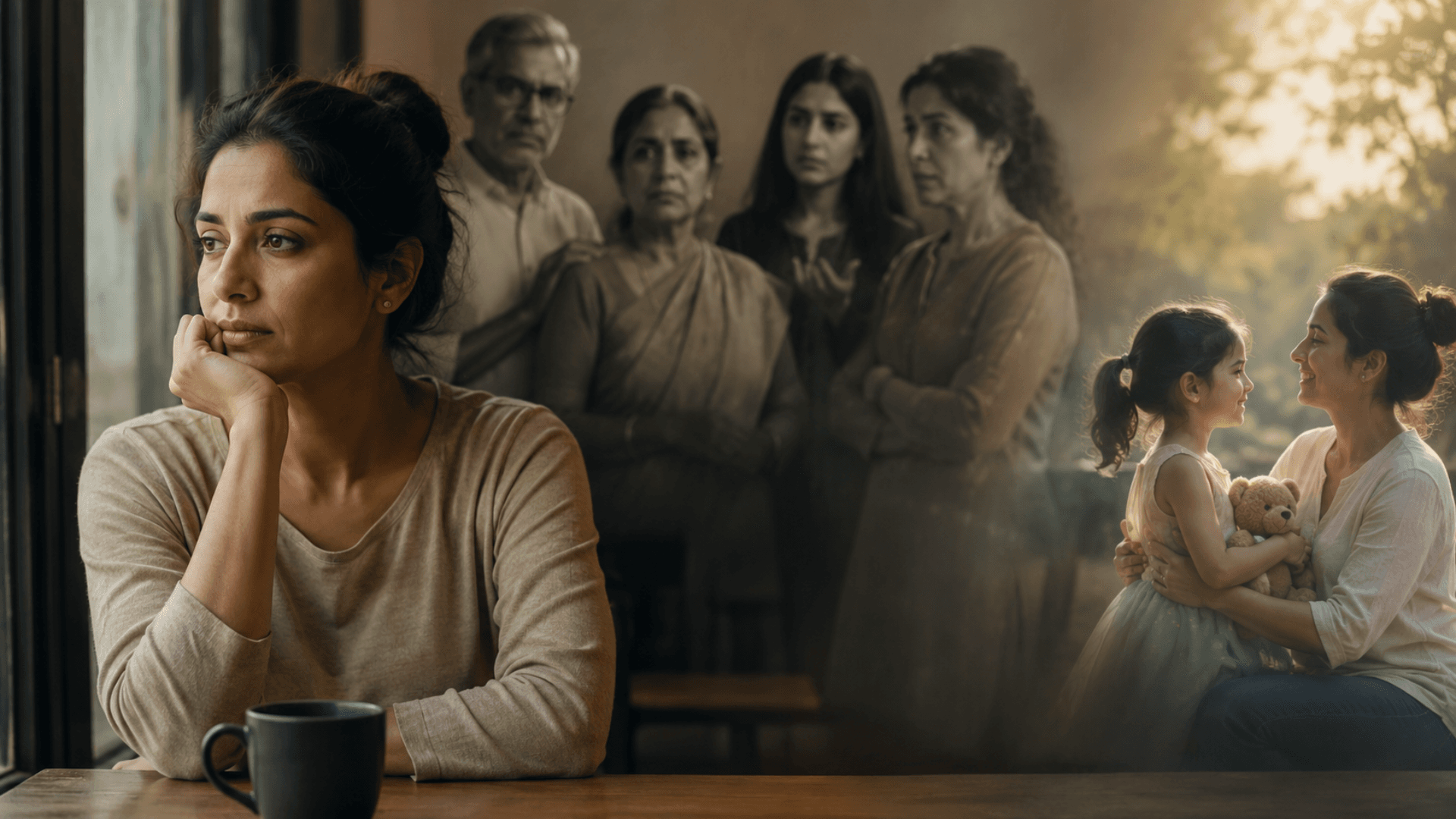
You've been living in Pune or Mumbai for six months. Maybe a year. Maybe even longer. You can navigate the city, you've found your favorite restaurants, you understand the local train system. But every time someone speaks to you in Marathi, you freeze, smile awkwardly, and mumble "Sorry, Hindi?"
You've tried. You downloaded Duolingo. You asked your colleagues to teach you. You even attempted watching Marathi movies with subtitles. But somehow, you're still stuck at "नमस्कार" and "धन्यवाद," and the dream of confidently saying "मला मराठी येत" (Mala Marathi Yet - I know Marathi) feels impossibly far away.
Here's the truth nobody tells you: Learning Marathi isn't hard because the language is complex. It's hard because most people are using completely wrong approaches—approaches designed for classroom learning, not real-world speaking.
This guide is different. This is for busy professionals, students, and anyone who wants to actually speak Marathi in daily life, not just pass an exam. This is your roadmap from "मला मराठी येत नाही" (I don't know Marathi) to "मला मराठी येत" (I know Marathi).
Let's begin where you actually are, not where language courses pretend you should be.
Why Learning Marathi Actually Matters More Than You Think
Before diving into the "how," let's address the "why"—because motivation is what carries you through the frustrating middle phase of language learning.
It transforms your Maharashtra experience completely.
Imagine ordering cutting chai in fluent Marathi and having the chaiwala's face light up with genuine warmth. Imagine understanding the jokes your colleagues make in Marathi and actually laughing at the right moments. Imagine negotiating with auto drivers without getting the "outsider price." Imagine feeling like you belong, not just reside.
That's what Marathi fluency unlocks.
It opens professional doors you didn't know existed.
In Pune and Mumbai's job markets, "Marathi speaking" isn't just a preference—it's often a hidden advantage. Customer-facing roles, local business development, community engagement positions—they all prefer candidates who can communicate in the local language. Even in tech companies, being able to chat casually with security guards, support staff, and local vendors in Marathi earns you respect and builds networks.
It connects you to Maharashtra's incredible culture.
Marathi literature is rich and profound. Marathi theatre is legendary. Marathi humor has layers that translations can't capture. Without the language, you're experiencing Maharashtra through a filtered lens. With Marathi, you access the real thing—the poetry of Sant Tukaram, the wit of P.L. Deshpande, the emotional depth of Marathi cinema.
It earns you genuine respect and affection.
Maharashtrians deeply appreciate when outsiders make the effort to learn their language. It's not about perfection—it's about respect. Even broken, heavily-accented Marathi spoken with genuine intent will get you further than fluent Hindi spoken with entitlement.
But here's what matters most: learning Marathi changes how you see yourself. You stop being a perpetual outsider. You start being someone who belongs.
The Wrong Ways People Try to Learn Marathi (And Why They Fail)
Let's get the failures out of the way first, so you don't waste months on approaches that don't work.
The "I'll Pick It Up Naturally" Myth
You've been hearing Marathi around you for months. Surely osmosis will kick in eventually, right?
Wrong. Passive exposure doesn't create fluency. Your brain treats Marathi as background noise—just sounds without meaning. You might recognize a few words, but you'll never speak confidently through passive listening alone.
Immersion works, but only when combined with active learning. You need to engage, practice, make mistakes, and get corrected. Hoping it magically happens is setting yourself up for years of "मला मराठी येत नाही."
The "Expensive Course" Trap
You enrolled in a ₹15,000 Marathi language course. Three months, professional teachers, structured curriculum. Sounds perfect.
Except two months in, you've learned grammar rules you'll never use in conversation, memorized vocabulary lists you immediately forget, and can write formal letters in Marathi while still struggling to order vada pav in Marathi.
Traditional language courses optimize for testing, not speaking. They teach you Marathi the way schools teach Sanskrit—technically correct but practically useless for daily life.
The "Apps Will Save Me" Delusion
Duolingo, Drops, Memrise—you've tried them all. You've got a 47-day streak learning random Marathi words like "the elephant is wearing a hat."
Apps are helpful supplements, but terrible primary methods. They teach isolated vocabulary without cultural context. They don't prepare you for real conversations where people speak fast, use slang, mix in Hindi words, and expect you to respond immediately.
Apps make you feel productive while keeping you stuck at beginner level forever.
The "I'll Learn from Friends" Hope
You asked your Marathi-speaking colleague to teach you. They're enthusiastic for exactly three days. They teach you a few phrases, laugh when you pronounce things wrong, then the lessons just... stop. Life gets busy. Momentum dies.
Friends make terrible structured teachers. They're great for practice once you have basics, but they lack the patience, consistency, and teaching skills to build your foundation.
The Actual Method That Works: Conversation-First Learning
Here's the approach that takes you from zero to conversational Marathi in 3-6 months, even with a busy schedule:
Phase 1: Survival Marathi (Weeks 1-2)
Goal: Handle basic daily interactions without reverting to Hindi or English.
Start with the 50 most common phrases you actually need in Pune/Mumbai life. Not random vocabulary—specific phrases for specific situations you encounter daily.
Essential survival phrases:
"मला हे पाहिजे" (Mala he pahije - I want this) "किती झाले?" (Kiti jhale? - How much?) "हे कुठे आहे?" (He kuthe aahe? - Where is this?) "मला कळत नाही" (Mala kalat nahi - I don't understand) "परत सांगा" (Parat sanga - Please repeat) "मला मराठी येत नाही" (Mala Marathi yet nahi - I don't know Marathi) "मी शिकत आहे" (Mi shikat aahe - I'm learning)
Practice method:
Use each phrase in real situations immediately. Don't wait until you're comfortable. Go to a local grocery store and actually say "मला हे पाहिजे" while pointing at what you want. Accept that you'll sound awkward. That's learning.
Film yourself saying these phrases on your phone. Listen back. Notice where you're struggling. Repeat until it feels natural.
Ask one Marathi-speaking person (colleague, neighbor, shopkeeper you see regularly) to be your "correction buddy." Tell them you're learning and want them to correct your pronunciation. Most people love helping genuine learners.
Success marker: After two weeks, you should be able to handle grocery shopping, auto rides, and basic restaurant orders in Marathi without switching to Hindi.
Phase 2: Conversational Building Blocks (Weeks 3-8)
Goal: Have simple but complete conversations about everyday topics.
This is where most learners get stuck, so the strategy here is crucial. You're not trying to speak perfect Marathi—you're trying to communicate effectively enough that Marathis stop switching to Hindi when talking to you.
Focus on sentence patterns, not grammar rules:
Instead of learning "Marathi grammar," learn sentence templates you can fill with different words:
"मी ____ आहे" (Mi ____ aahe - I am ____) "मला ____ आवडते" (Mala ____ avadte - I like ____) "तू ____ आहेस का?" (Tu ____ aahes ka? - Are you ____?) "कधी ____ ?" (Kadhi ____? - When ____?)
Practice filling these templates with words relevant to your life. Don't memorize abstract examples. Make it personal.
The topic-a-week method:
Week 3: Food and ordering
Week 4: Travel and directions
Week 5: Work and daily routine
Week 6: Weather and small talk
Week 7: Family and relationships
Week 8: Plans and future tense
Each week, focus obsessively on one topic. Learn 20-30 words related to that topic. Create 10 sentences you might actually say. Practice them in real situations.
Daily practice routine (20-30 minutes):
Morning (10 minutes): Record yourself having an imaginary conversation in Marathi about yesterday. Don't write it first—force yourself to think in Marathi.
Commute (10 minutes): Listen to Marathi podcasts or YouTube videos. Don't worry if you don't understand everything. Focus on recognizing words you've learned and understanding the general topic.
Evening (10 minutes): Have one real conversation in Marathi. Could be with a shopkeeper, colleague, or language exchange partner. Aim for minimum 2-3 minute conversations.
Success marker: By week 8, you should be able to have 5-10 minute conversations about familiar topics, even if you make grammatical mistakes and occasionally switch to Hindi for words you don't know.
Phase 3: Fluency Building (Months 3-6)
Goal: Think in Marathi, understand natural speech, express complex thoughts.
This is where you stop translating in your head and start actually thinking in Marathi. It's also where learning becomes enjoyable instead of frustrating.
Immersion activities that actually work:
Marathi entertainment consumption: Watch Marathi web series on streaming platforms. Start with subtitles if needed, but try to rely on them less each week. "Samantar," "Majha Hoshil Na," and Marathi standup comedy are excellent entry points.
Shadowing technique: Play a Marathi podcast or video. Repeat what they say immediately after hearing it, trying to match their pronunciation, speed, and intonation. This trains your brain to produce Marathi sounds naturally.
Writing practice: Start a simple daily journal in Marathi. Just 5-6 sentences about your day. Use Google Translate to check words you don't know, but construct sentences yourself. This builds thinking-in-Marathi muscle.
Conversation partners: Find language exchange partners through apps like HelloTalk, Tandem, or local Marathi learning meetups. Practice speaking for 30 minutes, 3-4 times per week.
The comfort zone expansion rule:
Every week, do one thing in Marathi that feels uncomfortably difficult. Have a phone call entirely in Marathi. Attend a Marathi standup show and try to understand the jokes. Explain your job to someone in Marathi. Read a Marathi news article.
Discomfort means growth. Comfort means plateau.
Success marker: By month 6, you should be able to follow Marathi conversations between native speakers (even if you miss some words), express complex thoughts in Marathi (even with some errors), and most importantly, confidently say "मला मराठी येत" without feeling like an imposter.
The Resources That Actually Help (Free and Paid)
Let's talk specific tools, not vague recommendations.
Free Resources Worth Your Time
Marathi Barakhadi app: Best free app for learning the Devanagari script if you want to read Marathi. Essential if you're serious about fluency.
Easy Marathi YouTube channel: Practical lessons focused on conversation, not grammar theory. Start with their "Marathi for beginners" playlist.
Aai Shapath Marathi Learning: Facebook group with 50,000+ members learning Marathi. Post your questions, share your progress, find conversation partners.
Marathi grammar app by Tara Prakashana: Surprisingly good free grammar reference when you need to look something up. Don't study it systematically—use it as a dictionary.
Maharashtra Times website: Read simplified Marathi news once you're intermediate level. Helps vocabulary and keeps you updated on local context.
Paid Resources Worth the Investment
Multibhashi Marathi Course (₹3,000-5,000): Actually conversation-focused, unlike most courses. Live sessions with teachers who speak naturally, not formally.
Personal Marathi tutor (₹500-1,000/hour): Find one through UrbanPro or Sulekha. Get 2-3 sessions weekly. Worth every rupee if you find a tutor who focuses on speaking practice.
Marathi books for learners: "Teach Yourself Marathi" by Amin Mistry is dated but solid for structure. "Colloquial Marathi" by Veena Sahasrabuddhe focuses on practical conversation.
Streaming subscriptions (₹300-500/month): Zee5, SonyLIV, or Hotstar have excellent Marathi content. This isn't a language resource—it's entertainment that teaches.
The Most Underrated Resource: Real Marathi Speakers
The best teachers are the people around you who speak Marathi naturally. But you need to approach them correctly.
Don't ask: "Can you teach me Marathi?" Ask: "Can I practice speaking Marathi with you for 10 minutes daily? I'll make mistakes—just correct me when I'm totally wrong."
The first sounds like unpaid labor. The second sounds like a specific, bounded favor.
Target people who:
- You interact with regularly (daily is ideal)
- Have patience (not everyone does)
- Speak clearly (avoid heavy dialect speakers initially)
- Seem genuinely happy when you attempt Marathi
Perfect candidates: Friendly colleagues, regular shopkeepers, apartment security guards, gym trainers, dabbawalas, anyone you see daily who lights up when you try speaking Marathi.
The Cultural Context That Makes Marathi Easier to Learn
Understanding Marathi culture dramatically accelerates language learning because language and culture are inseparable.
Marathi Communication Style
Marathis value directness mixed with politeness. Unlike Hindi where honorifics can be complicated, Marathi has simpler respect markers. "तुम्ही" (tumhi) for respectful, "तू" (tu) for informal. That's basically it.
Marathi speakers appreciate effort over perfection. Make mistakes with genuine intent, and most people will encourage rather than judge.
Small talk follows predictable patterns: weather, food, local festivals, cricket. Master these topics and you've mastered 70% of casual conversations.
Festivals as Learning Opportunities
Major Marathi festivals (Ganesh Chaturthi, Gudi Padwa, Diwali) aren't just holidays—they're immersive language experiences. Attend community celebrations. Listen to songs. Learn festival-specific vocabulary. Ask what phrases mean.
Your Marathi will leap forward during festival seasons because you're hearing the language used emotionally, not transactionally.
Food as Language Gateway
Maharashtra's food culture is conversation gold. Learn to discuss food in Marathi and you'll never run out of things to talk about.
Master phrases like: "खूप छान आहे" (Khup chhan aahe - Very good) "तिखट आहे का?" (Tikhat aahe ka? - Is it spicy?) "पुन्हा द्या" (Punha dya - Give more/again)
Visit local Marathi restaurants, not just trendy cafes. Order in Marathi. Ask what ingredients are used. Food vocabulary builds naturally and memorably.
The Marathi Sense of Humor
Marathi humor leans toward wordplay, situational comedy, and gentle sarcasm. P.L. Deshpande's comedy sketches (available on YouTube with subtitles) are masterclasses in Marathi wit.
Understanding humor is the final frontier of language learning. When you laugh at Marathi jokes in real-time, you've arrived.
The Biggest Mistakes That Destroy Progress
Mistake 1: Waiting to Speak Until You're "Ready"
You'll never feel ready. Speak broken Marathi today. Make embarrassing mistakes today. Get corrected today. That's how progress happens.
Waiting for perfection is procrastination in disguise.
Mistake 2: Learning Only from Hindi Speakers Learning Marathi
Language learning communities often become echo chambers of mediocrity. Everyone makes the same pronunciation mistakes. Nobody corrects anyone. You plateau together.
Learn from native speakers, even if it's more uncomfortable.
Mistake 3: Ignoring the Script
"I'll just speak Marathi, I don't need to read it."
Wrong. Reading connects spoken sounds to written patterns. It helps you understand grammar intuitively. It opens access to written resources, signboards, menus, social media.
Learn Devanagari. It takes 2-3 weeks. It's worth it.
Mistake 4: Switching to Hindi When It Gets Hard
Every time you switch languages mid-conversation because Marathi feels difficult, you're training your brain that giving up is acceptable.
Push through. Use hand gestures. Draw pictures. Describe words you don't know using simpler Marathi words. Struggle is where learning lives.
Mistake 5: Learning Formal Marathi Instead of Street Marathi
Textbook Marathi and daily conversation Marathi are different languages. People don't say "मी जेवण करीत आहे" in real life—they say "मी जेवतोय."
Learn how people actually speak, not how books say they should speak.
How Long Does It Really Take?
Let's set realistic expectations based on your commitment level:
Casual effort (15 minutes daily): 12-18 months to conversational fluency. You'll make slow, steady progress but might plateau if you don't push yourself.
Committed effort (30-45 minutes daily): 6-9 months to conversational fluency. You'll have awkward conversations by month 3, decent conversations by month 6, confident conversations by month 9.
Intensive effort (1-2 hours daily plus immersion): 3-4 months to conversational fluency. You'll be speaking broken but understandable Marathi within weeks, and handling most daily situations comfortably by month 4.
Fluency isn't binary. You'll have good days and bad days. Some topics will feel easy, others impossible. That's normal.
The goal isn't perfection. It's confident functionality—being able to live your life in Maharashtra primarily in Marathi.
The Moment You Know You've Made It
You'll know you're fluent when:
You dream in Marathi occasionally.
You accidentally speak Marathi to non-Marathi speakers.
You understand Marathi jokes and laugh in real-time.
Marathis stop complimenting your Marathi and just have normal conversations with you.
You think in Marathi when planning what to say.
You get frustrated when you can't find the exact Marathi word because the Hindi/English equivalent doesn't capture the meaning.
Someone asks "मला मराठी येत का?" and you confidently reply "होय, येत" (Yes, I know) without feeling like an imposter.
That moment is closer than you think.
The Real Secret: Community Makes the Difference
Here's the truth about language learning that nobody emphasizes enough: solo learning is slow and demotivating. Community learning is fast and joyful.
Find your Marathi learning tribe. People at your level, struggling with the same challenges, celebrating the same small victories. Practice together. Correct each other. Share resources. Keep each other accountable.
The difference between "I'm trying to learn Marathi" and "मला मराठी येत" is often just having the right community supporting your journey.
Marathi Manachi Goshta — A Poem for Learners
"Bhasha navin, shabd anolkhe, Tyaat aapulepan shodhat rahave. Chuktat pan boldete rahave, Marathi madhye swatahla shodhat rahave. Ek diwas yeil ti ghadi, Jyat tum mhanaal—'Mala Marathi Yet,' Ani tyat khara abhimaan asel, Karan tumhi Maharashtra la dilat aadar het."
(The language is new, the words unfamiliar, In them keep searching for your own identity. Keep speaking despite mistakes, Keep finding yourself in Marathi. One day will come that moment, When you'll say—'I know Marathi,' And there will be genuine pride in it, Because you gave respect to Maharashtra from the heart.)
Your Learning Journey Starts Now
The distance between "मला मराठी येत नाही" and "मला मराठी येत" isn't measured in months or vocabulary size. It's measured in courage—the courage to speak badly before you speak well, to make mistakes publicly, to be a beginner among native speakers.
You don't need perfect conditions. You don't need expensive courses. You don't need natural talent.
You need consistency, real practice, and the willingness to sound foolish while learning.
Maharashtra is waiting to embrace you—not as an outsider trying to fit in, but as someone who respected the culture enough to learn its language.
Start today. Not tomorrow. Not when you're ready. Today.
Say one phrase in Marathi today. Tomorrow, say two. Next week, have a full conversation, even if it's terrible.
Progress, not perfection.
Shubhecha! (Good luck!)
Join a Community of Marathi Learners
Learning Marathi alone is hard. Learning with others who get your struggles makes it easier, faster, and actually fun.
Join Stranger Mingle meetups in Pune and Mumbai where Marathi learners gather to practice conversation in supportive, judgment-free environments. Practice with fellow learners and native speakers who love helping people discover Maharashtra's beautiful language.
Because fluency isn't just about grammar and vocabulary—it's about having real conversations with real people in real situations.
Your Marathi-speaking future starts with one conversation. Let's have it together.
Tumhala bhetu! (See you!)